
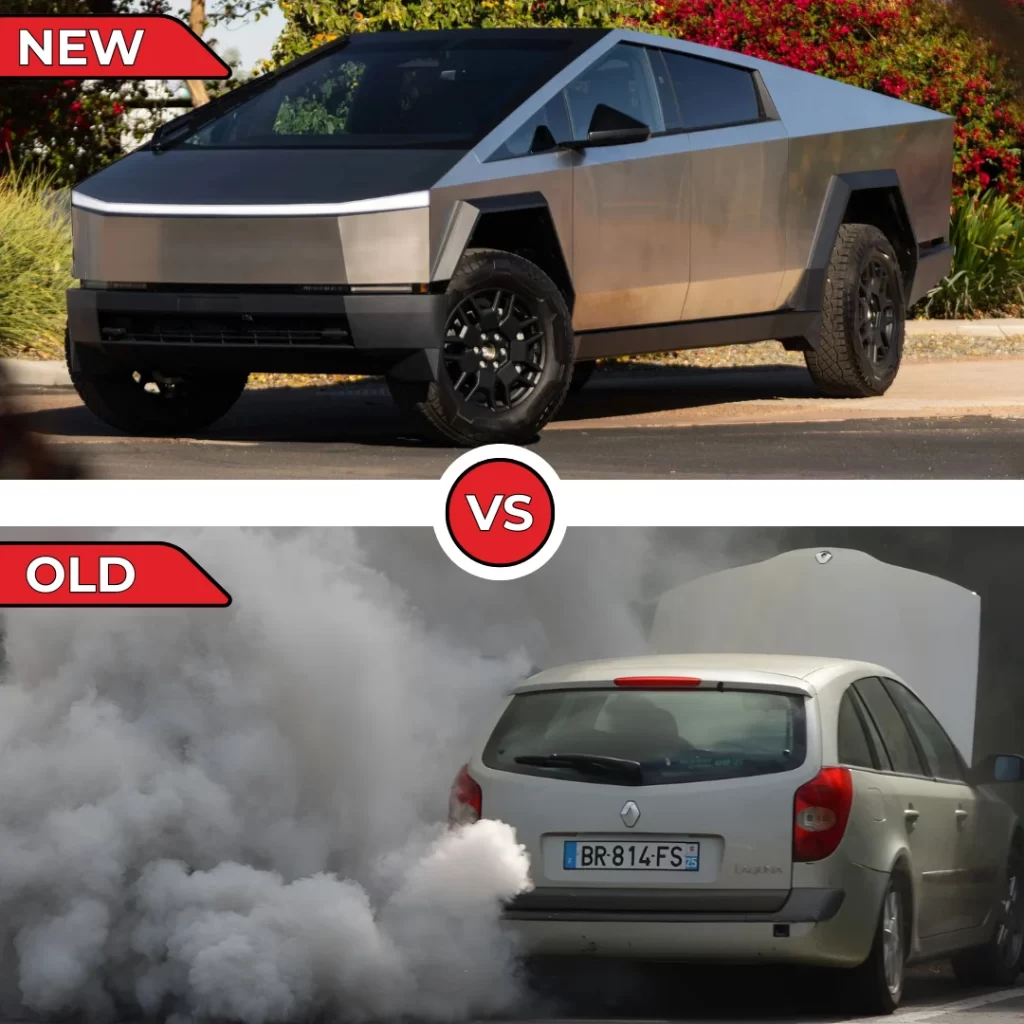
As climate regulations tighten worldwide, automakers are undergoing significant transformations to align with environmental mandates. This shift is not only reshaping vehicle manufacturing but also influencing the broader automotive supply chain, including Noble Unicom.
Globally, governments are enforcing stricter emissions standards to combat climate change. For instance, the European Union has proposed easing CO₂ emissions targets for automakers, allowing more flexibility in compliance timelines. Despite such adjustments, the overarching goal remains: a transition to zero-emission vehicles (ZEVs) by 2035 in leading markets. Automakers are responding by investing heavily in electric vehicle (EV) technology, with companies like Volvo and General Motors pledging to phase out internal combustion engines in favor of EVs within the next decade.
This industry-wide pivot extends beyond vehicle manufacturers. Suppliers and service providers are also adapting to meet new demands. Noble Unicom, a leading Mozambican auto parts company, exemplifies this adaptation. With a diverse inventory exceeding 2,000 products, including high-quality oils and tyres, Noble Unicom is well-positioned to support the maintenance and efficiency needs of both traditional and electric vehicles.
Furthermore, the push for sustainability is influencing consumer behaviour, prompting a demand for more environmentally friendly vehicle options. This shift necessitates that companies across the automotive sector, including Noble Unicom, stay abreast of technological advancements and regulatory changes. By aligning their product offerings with the evolving needs of the market, they play a crucial role in facilitating the global transition to sustainable transportation.
In conclusion, the global automotive industry’s response to climate regulations is a multifaceted endeavor involving manufacturers, suppliers, and service providers. Noble Unicom is playing an integral part to this ecosystem, ensuring that as vehicles become more sustainable, the supporting services and products are equally progressive. Their proactive approach not only supports compliance with environmental regulations but also contributes to the broader goal of reducing the automotive sector’s carbon footprint.
